
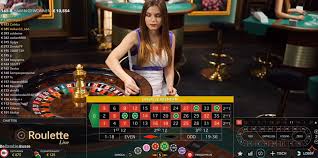
Roulette is a game that has captivated the hearts of players around the world for centuries, offering a blend of thrill, strategy, and chance. While many gaming discussions revolve around popular platforms like GameSpot, there is a wealth of information about roulette that remains unexplored. In this article, we delve into the multifaceted world of roulette, sharing insights, strategies, and historical context that every enthusiast should know. For more information on autism awareness and support, visit roulette not on gamspot akoautismexpo.co.uk.
The Origins of Roulette
Roulette, which means «little wheel» in French, traces its origins back to the 18th century in France. The game was developed from older games, such as the Italian game Biribi. The roulette wheel was first introduced in Paris by Blaise Pascal, a mathematician, who was attempting to create a perpetual motion machine. Over the years, variations of the game emerged, including the American and European versions, each with subtle differences in rules and house edges.
Understanding the Roulette Wheel
The roulette wheel is a critical element of the game, consisting of 37 (European) or 38 (American) numbered pockets. The numbers on the wheel alternate between red and black, with a single green pocket (0 in European roulette and 0 and 00 in American roulette). Understanding the layout of the wheel and the betting options available can significantly enhance a player’s experience.
Types of Bets
Roulette offers a variety of betting options, which can be broadly categorized into two types: inside bets and outside bets. Inside bets are placed on specific numbers or small groups of numbers, offering higher payouts but lower odds of winning. Outside bets are placed on larger groups of numbers, such as red or black, even or odd, and offer better odds but lower payouts. Mastering the art of betting is essential for anyone looking to excel at roulette.
Popular Betting Strategies
While roulette is primarily a game of chance, many players have developed strategies to enhance their gaming experience. Here are a few popular betting strategies:
Martingale Strategy
The Martingale strategy is perhaps the most well-known betting system in roulette. It involves doubling your bet after each loss, with the idea being that a win will eventually recover all previous losses plus a profit equivalent to the original bet. However, this strategy requires a significant bankroll and is not without risks, especially if a long losing streak occurs.
Fibonacci Strategy

Based on the famous Fibonacci sequence, this strategy involves betting based on a series of numbers in which each number is the sum of the two preceding ones. This strategy is typically less risky compared to Martingale but requires patience and discipline.
D’Alembert Strategy
The D’Alembert strategy is a more balanced approach. Players increase their bet by one unit after a loss and decrease it by one unit after a win. This strategy aims to provide a more gradual approach to betting and can be less volatile than Martingale.
The Importance of Bankroll Management
No matter what strategy you choose, effective bankroll management is crucial in roulette. Players should determine their gambling budget before sitting down at the table and stick to it, avoiding the temptation to chase losses. Setting win and loss limits can also help ensure that your gaming experience remains enjoyable and within personal financial boundaries.
Playing Online vs. In-person Roulette
With the advent of online casinos, players can now enjoy roulette from the comfort of their homes. Online platforms offer a wide variety of roulette games, including live dealer options that bring the casino experience right to your screen. However, while online play has its perks, many players still cherish the atmosphere of a brick-and-mortar casino, with the sounds of the wheel spinning and the collective excitement of those around the table.
The Social Aspect of Roulette
Roulette is not just a game of chance but a social experience. It brings people together, sparking camaraderie and shared excitement. Whether you’re playing with friends at a casino or engaging with fellow players in an online chat, the social interactions can enhance the overall experience of the game.
Cultural Significance of Roulette
Roulette has woven itself into the fabric of popular culture, appearing in movies, literature, and art. It symbolizes risk-taking, fortune, and the thrill of the unknown. Many famous scenes in Hollywood films feature characters at the roulette table, emphasizing its allure. This cultural representation has contributed to the game’s mystique and has made it a staple of gambling lore.
Conclusion
In conclusion, while platforms like GameSpot may cover numerous games comprehensively, the world of roulette offers a rich tapestry of history, strategy, and community that deserves attention beyond conventional resources. By understanding the intricacies of the game, exploring various betting strategies, and focusing on responsible gambling, players can enhance their roulette experience. So, whether you are a seasoned player or a curious newcomer, take the plunge, and enjoy the timeless thrill of roulette.